When Relaxation Turns Risky: Understanding Vacation-Related Substance Binging in Recovery
Posted on May 26, 2026 in Uncategorized
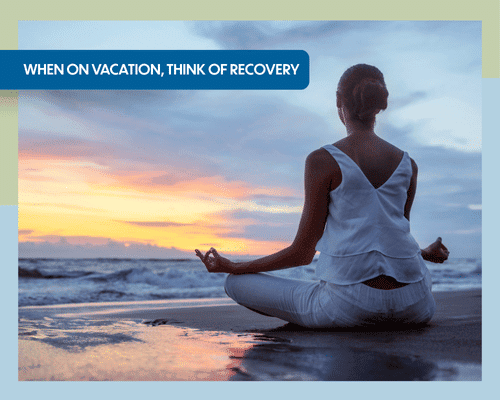 Vacations are meant to offer rest, relief, and a break from the pressures of everyday life. Yet for individuals in addiction recovery, what begins as relaxation can sometimes shift into emotional vulnerability and increased risk of substance binging. Changes in routine, exposure to social pressure, and unfamiliar environments can all contribute to this shift. Understanding why this happens is an important step in protecting sobriety while still enjoying meaningful time away.
At Soleil-ou-Neige, we provide compassionate, individualized addiction and mental health treatment through inpatient and outpatient care. Our holistic and faith-based approach focuses on helping individuals build practical coping skills that support real life recovery, including navigating travel, holidays, and social situations with confidence.
Why Relaxation Can Turn Into Risk in Recovery
Recovery is supported by structure, consistency, and emotional awareness. Vacations often interrupt these stabilizing factors, which can make individuals more vulnerable to cravings or impulsive decisions.
Loss of Routine and Daily Structure
Routine plays a key role in maintaining emotional stability. During vacations, sleep patterns change, meals become irregular, and recovery practices may be paused. This lack of structure can reduce emotional regulation and increase susceptibility to cravings.
Shift in Mental Boundaries
Vacation often brings a mindset of freedom and reward. While healthy in moderation, this mindset can sometimes blur personal boundaries. Thoughts such as “just this once” or “I deserve to let go” may weaken the internal limits that protect sobriety.
Emotional Overload or Disconnection
Travel can create emotional highs and lows. Excitement, stress, loneliness, or overstimulation may all appear in a short period of time. Without grounding tools, these emotional shifts can make substance use feel like a quick escape.
Common Triggers Behind Vacation-Related Substance Binging
Social Environments That Normalize Use
Many vacation settings include alcohol or substances as part of the social experience. Resorts, parties, and group events can create subtle pressure to participate, even when it conflicts with recovery goals.
Environmental Cues From Past Behavior
Certain places or experiences may be linked to previous substance use. These cues can activate memory pathways in the brain and increase cravings without conscious intention.
Fatigue and Overstimulation
Travel schedules are often busy and unpredictable. Physical exhaustion combined with constant stimulation can reduce emotional resilience, making it harder to manage cravings or stress effectively.
How to Stay Protected During Vacation in Recovery
Plan Your Trip With Intention
Before traveling, identify potential triggers and plan how to handle them. Choose environments that support sobriety when possible and build in time for rest and reflection.
Maintain Connection With Support Systems
Stay in contact with sponsors, therapists, or recovery peers. Regular check ins provide emotional grounding and help you process challenges as they arise.
Set Clear Boundaries Before You Go
Decide in advance what situations feel safe and what you will avoid. Communicating boundaries early can reduce pressure and help you stay aligned with your recovery priorities.
Bring Tools That Support Stability
Pack simple coping tools such as journals, meditation apps, breathing exercises, or faith based practices. These resources help regulate emotions and interrupt cravings when they arise.
Choose Activities That Support Wellness
Engage in experiences that do not center around substance use. Nature activities, cultural exploration, exercise, and meaningful connection can create a fulfilling and safe travel experience.
How Professional Care Strengthens Vacation Readiness
At Soleil-ou-Neige, we understand that recovery must extend beyond treatment settings. Our inpatient and outpatient programs are designed to help individuals navigate real life situations such as travel and holidays with confidence.
Through therapy, holistic healing, and faith based support, clients learn how to recognize triggers, regulate emotions, and make intentional decisions in high risk environments. Our individualized care ensures each person receives guidance tailored to their personal experiences, strengths, and recovery goals.
Conclusion
Vacation does not have to threaten recovery, but it does require awareness and preparation. When relaxation removes structure and emotional balance is disrupted, the risk of substance binging can increase. With planning, support, and healthy coping strategies, it is possible to enjoy travel while protecting sobriety.
If you or someone you love is preparing for a vacation and wants support in maintaining recovery, Soleil-ou-Neige is here to help. Our compassionate team provides personalized, holistic, and faith based care designed to support lasting healing and help you move through life with confidence, stability, and hope.
0 thoughts on “When Relaxation Turns Risky: Understanding Vacation-Related Substance Binging in Recovery”