The High Cost of Letting Go: Why Travel Often Fuels Alcohol and Drug Use
Posted on November 23, 2025 in Uncategorized
Vacations are often seen as a time to relax, celebrate, and step away from everyday responsibilities. The idea of letting go and fully enjoying the moment is appealing, especially after months of stress and hard work. However, for many individuals, this sense of freedom can carry hidden risks. Travel can blur boundaries and normalize behaviors that may lead to alcohol and drug misuse. Understanding the factors that contribute to vacation-related substance use is crucial for maintaining well-being and protecting recovery.
Why Vacation Freedom Can Be Risky
The Illusion of Temporary Escape
Travel provides a sense of detachment from daily life. Without the usual routines and responsibilities, people may feel liberated and believe that indulgence has no consequences. This mindset, often called “vacation mode,” can make risky behavior seem acceptable. While one drink or indulgence may appear harmless, repeated exposure to alcohol or drugs in a permissive environment can create patterns that extend beyond the trip.
Emotional Triggers and Stress Relief
Many travelers are not just seeking relaxation but a reprieve from emotional strain. Stress, anxiety, or unresolved trauma can intensify during travel, prompting individuals to use substances as a coping mechanism. Alcohol and drugs may provide a temporary sense of relief, but they do not address underlying issues. Once the vacation ends, the same emotional challenges often return, sometimes stronger than before, leaving individuals at increased risk for relapse or continued misuse.
Social Influence and Environment
Vacation destinations often promote indulgence. All-inclusive resorts, beach bars, and nightlife venues create environments where alcohol and drugs are normalized. Social pressures from friends or other travelers can make abstaining difficult, especially for those in recovery. The combination of easy access, permissive social norms, and emotional vulnerability creates a perfect storm for addictive behavior.
Recognizing the Slippery Slope
Early Warning Signs
Understanding your triggers and recognizing early signs of risky use are essential. These can include an increased desire to drink or use drugs to enhance fun, feeling guilty or anxious after indulgence, or noticing changes in behavior or decision-making. Awareness allows individuals to intervene before a temporary lapse becomes a larger problem.
The Cost Beyond the Vacation
The consequences of letting go during travel extend beyond immediate physical risks. Emotional impacts, including guilt, shame, and decreased self-esteem, can follow. For individuals in recovery, even a brief lapse can undermine progress, affect mental health, and increase vulnerability to future relapse.
Strategies to Protect Yourself While Traveling
Set Intentions and Boundaries
Before leaving, establish clear goals for your vacation. Decide what activities align with your recovery and personal well-being. Setting limits on alcohol or substance use helps maintain control and ensures that your trip remains restorative rather than destructive.
Maintain Connection to Support
Even while away, staying connected to your support network is vital. Schedule check-ins with a sponsor, counselor, or support group. Many programs offer virtual meetings that can be accessed from anywhere. Remaining connected reinforces accountability and provides encouragement in challenging situations.
Choose Wellness-Oriented Activities
Engage in activities that support mental and physical health. Outdoor adventures, cultural experiences, or mindfulness practices can provide fulfillment without relying on substances. Prioritizing wellness allows you to enjoy your trip fully while protecting your recovery.
Compassionate Guidance for Lasting Change
At Soleil ou Neige, we understand that substance use is often tied to emotional struggles and the desire to escape. Our holistic, faith-based treatment programs address both the physical and emotional aspects of addiction. Through personalized therapy, inpatient and outpatient care, and mindfulness-based approaches, we help clients develop healthy coping strategies, strengthen resilience, and build lasting recovery.
Conclusion: Choosing Restoration Over Risk
Vacations can refresh the body and mind, but only when approached with intention and awareness. Letting go does not have to mean letting your recovery slip away. By planning ahead, recognizing triggers, and maintaining supportive connections, you can enjoy travel without compromising your health or progress.
If you or someone you love struggles with substance use, Soleil ou Neige offers compassionate, individualized care to guide you toward lasting freedom and renewal. Reach out today to take the first step toward a safe and restorative journey—both on vacation and in everyday life.
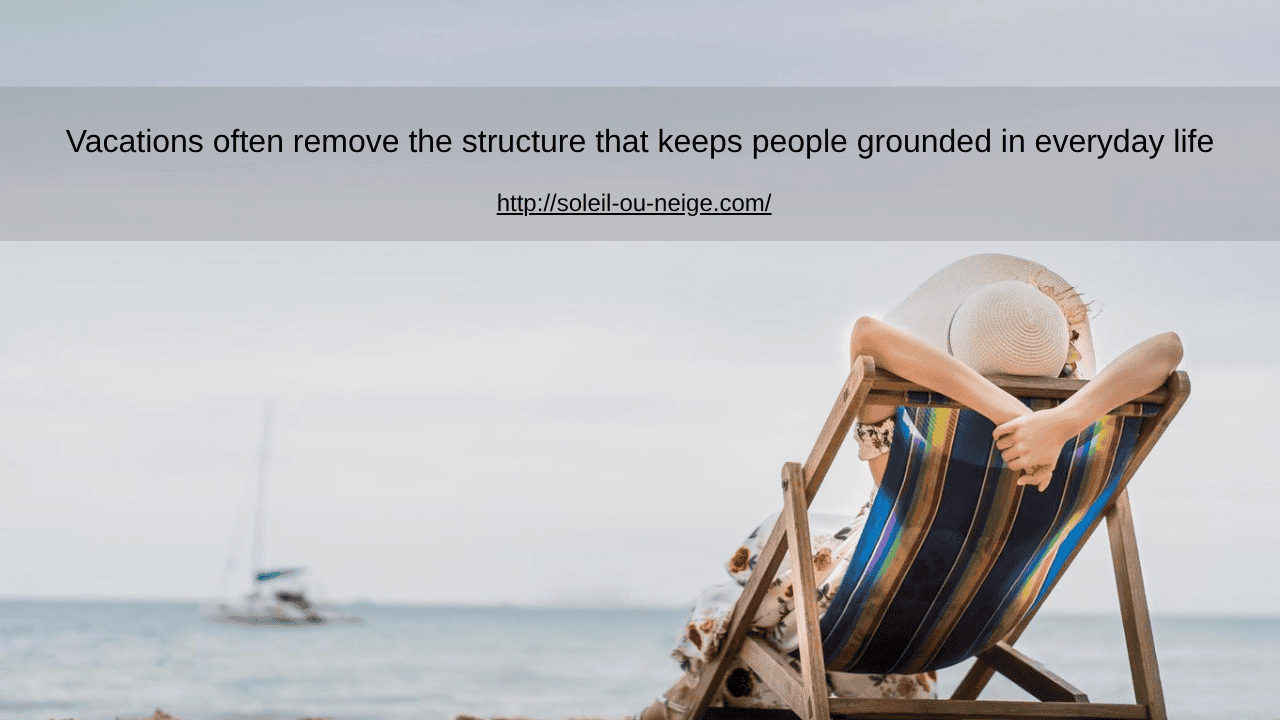 For many people, a vacation represents freedom: the chance to escape routine, relax, and recharge. The ocean breeze, warm sunshine, and carefree days can bring peace and joy. But for others, that same freedom can quietly lead to risky choices. When normal routines vanish and limits feel optional, substance use can creep in, often disguised as “just having fun.” Understanding why vacations can trigger addictive behavior is the first step in preventing a temporary escape from turning into long-term harm.
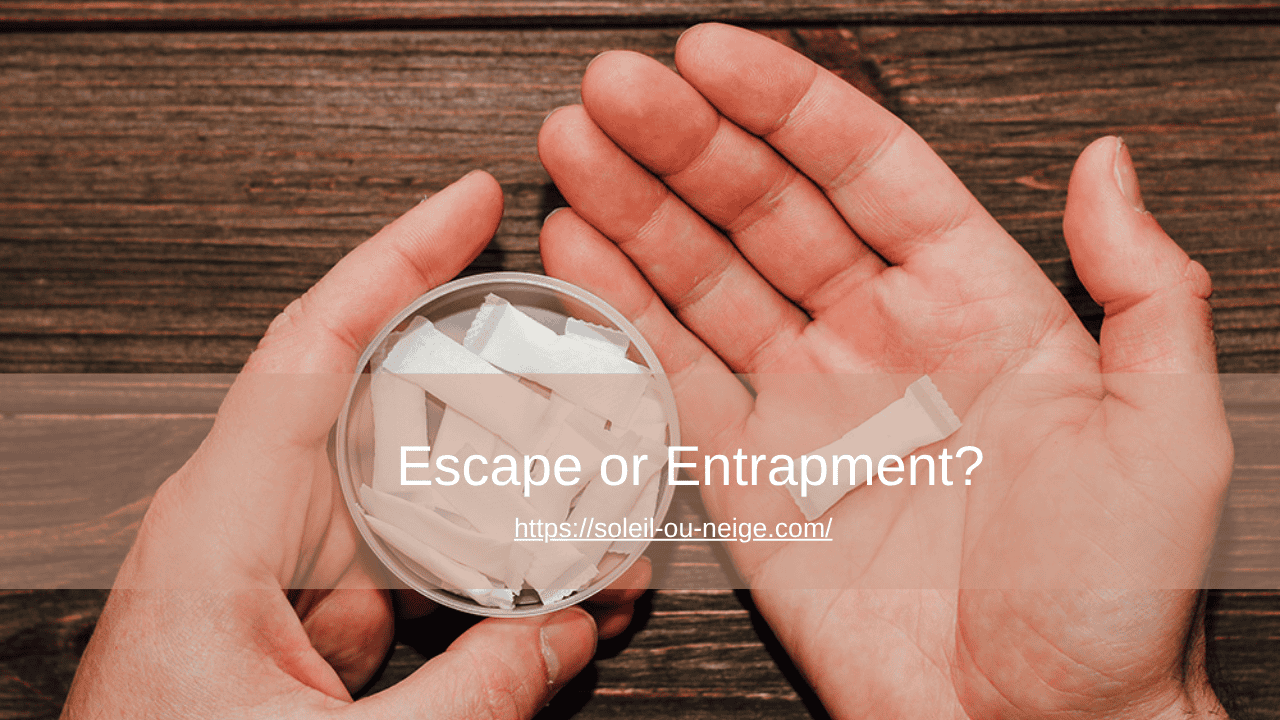 Vacations are often seen as the ultimate escape—a chance to leave stress behind, reset, and recharge. For many, that escape is healthy and well-deserved. But for others, the desire to “let go” can become a doorway to risky behavior. When the normal rules and routines disappear, so can self-control. What begins as a break from work can quietly spiral into substance misuse, turning the dream of freedom into a trap. Understanding how this happens is essential for protecting mental health and sustaining recovery, even in moments of rest.