 Vacations are often seen as a time to relax, recharge, and escape the pressures of daily life. For many people in recovery, this sense of freedom can feel exhilarating—but it can also be unexpectedly risky. Stepping out of familiar routines, facing social pressures, and encountering environments where substances are readily available can create triggers that threaten sobriety. Understanding the connection between vacation mindsets and relapse is essential for anyone committed to long-term recovery.
 Vacations are meant to refresh the mind, body, and spirit. They offer a break from routines, responsibilities, and stress. However, for individuals in recovery or those vulnerable to substance misuse, vacations can sometimes become a double-edged sword. The combination of freedom, social pressures, and unfamiliar environments can encourage overuse of alcohol or drugs. Recognizing the early signs of vacation overuse is essential to prevent temporary indulgence from turning into setbacks that affect recovery, mental health, and overall well-being.
 Vacations are meant to be a time of rest, enjoyment, and freedom from daily stress. For many, they offer a rare chance to let loose and indulge without consequence. However, for individuals struggling with addiction or those in recovery, this sense of liberation can quickly become a slippery slope. The combination of unstructured time, social pressures, and emotional triggers can make vacation bingeing a real risk. Understanding the psychology behind these behaviors is essential for maintaining control and protecting both mental and physical health.
Why Vacations Can Encourage Bingeing
The Allure of “Temporary Freedom”
When people go on vacation, they often adopt the mindset that normal rules no longer apply. This sense of temporary freedom can encourage behaviors that would be restricted in daily life. Overindulgence in alcohol, experimenting with drugs, or staying up late into the night can feel harmless in the moment. However, the lack of boundaries can make it easier to rationalize excessive consumption, setting the stage for harmful patterns.
Emotional Escape and Stress Relief
Vacations are not only an opportunity to rest—they can also serve as a way to escape emotional burdens. Stress, anxiety, and unresolved trauma can intensify when individuals step out of their daily routines. Alcohol and drugs may appear to provide a quick fix, temporarily numbing discomfort. Unfortunately, this approach does not resolve the underlying issues, and reliance on substances can grow, increasing the risk of relapse or continued misuse.
Influence of Social Environments
Social settings play a significant role in vacation bingeing. Party-centric destinations, resort bars, and nightlife scenes create environments where overindulgence is normalized. Observing others engaging in heavy drinking or drug use can subtly pressure individuals to join in, especially when trying to fit in or enhance enjoyment. For someone in recovery, these environments can present serious challenges to maintaining sobriety.
The Psychology Behind Risky Behavior
The Role of Reward Systems
The human brain is wired to seek pleasure and reward. During vacation, the anticipation of fun, excitement, and novelty can trigger reward pathways, making indulgence feel particularly satisfying. This heightened sensitivity can increase impulsivity, reducing the ability to make rational choices regarding substance use.
Cognitive Dissonance and Rationalization
Many individuals rationalize vacation indulgence with statements like “It is just a vacation” or “I will start fresh when I return home.” This cognitive dissonance allows temporary behavior to conflict with long-term recovery goals, making it easier to engage in bingeing without immediate guilt. Awareness of these thought patterns is critical to preventing them from leading to relapse.
Strategies to Stay Safe During Vacation
Set Clear Intentions
Before leaving, establish personal guidelines for your trip. Identify which activities and environments support your recovery and which may trigger risky behaviors. Planning ahead helps ensure that relaxation does not compromise your health or progress.
Stay Connected to Support
Maintain access to your support system while traveling. Schedule check-ins with a sponsor, counselor, or recovery group. Many programs provide virtual meetings or apps that allow you to remain connected and accountable no matter your location.
Practice Mindful Awareness
Pay attention to your emotions and triggers throughout your trip. Mindful practices, such as journaling, meditation, or breathing exercises, can help redirect impulses and maintain control. Recognizing early signs of stress or temptation allows for proactive coping strategies rather than reactive indulgence.
Holistic Recovery Support
At Soleil ou Neige, we recognize that addiction is deeply connected to emotional, mental, and spiritual health. Our holistic, faith-based programs offer personalized care through inpatient and outpatient services, therapy, and mindfulness practices. By addressing the root causes of substance use and teaching practical coping strategies, we empower clients to maintain sobriety while navigating life’s challenges, including vacations and social events.
Enjoy Vacation Without Losing Control
Vacations can provide relaxation, joy, and rejuvenation, but they can also present risks for those in recovery. Understanding the psychological factors that contribute to bingeing and implementing strategies to stay grounded are essential for a safe and restorative trip.
If you or a loved one struggle with maintaining sobriety while traveling or in everyday life, Soleil ou Neige offers compassionate, expert guidance. Reach out today to begin a journey toward balanced, mindful living and lasting recovery.
 Vacations are often associated with freedom, celebration, and letting loose. The sun-soaked beaches, lively resorts, and vibrant nightlife offer a tempting invitation to indulge. For many, a vacation is a temporary escape from responsibilities and stress. However, for individuals in recovery or those prone to substance misuse, this culture of indulgence can present hidden dangers. Understanding how vacation environments influence behavior is critical for maintaining well-being and protecting recovery.
 Vacations are often celebrated as a time for rest, rejuvenation, and escape from everyday responsibilities. The allure of relaxation, exploration, and indulgence is undeniable. However, for individuals in recovery from addiction, the very freedoms that make vacations appealing can also present serious challenges. Without the structure of daily routines and the support systems that reinforce sobriety, even a short trip can create vulnerabilities that put recovery at risk. Understanding these risks is essential for maintaining well-being while enjoying travel.
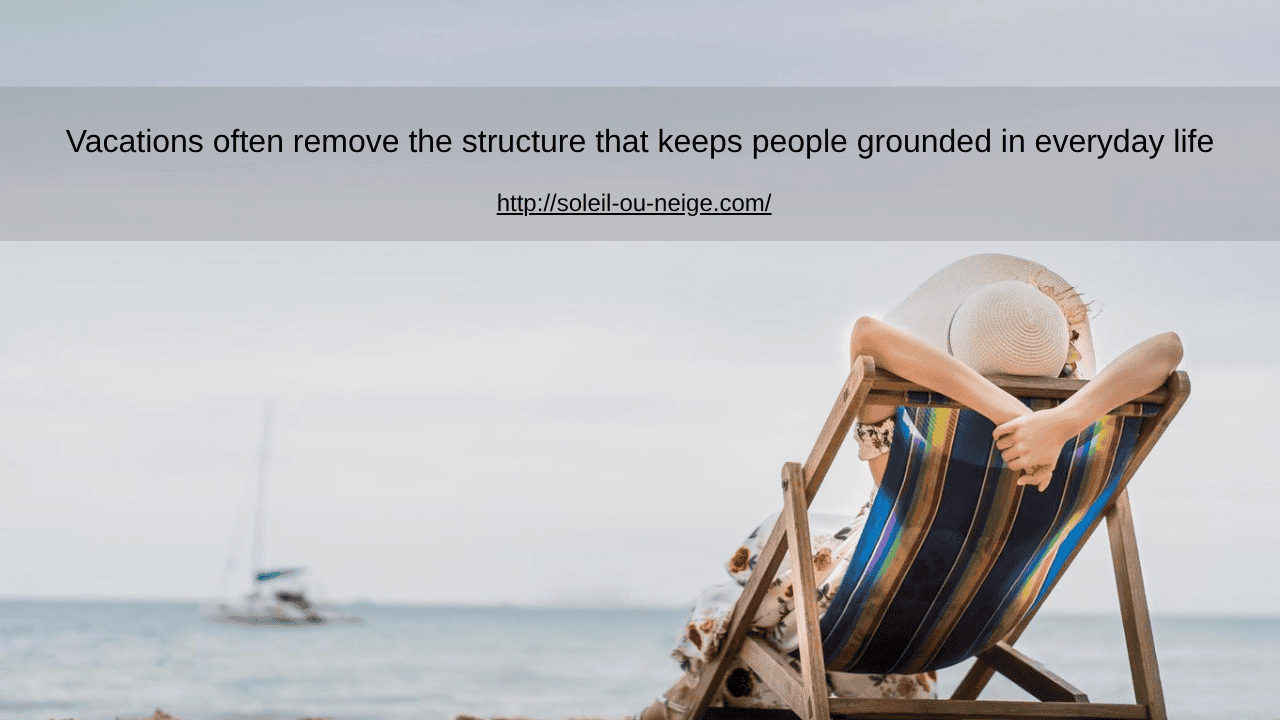 For many people, a vacation represents freedom: the chance to escape routine, relax, and recharge. The ocean breeze, warm sunshine, and carefree days can bring peace and joy. But for others, that same freedom can quietly lead to risky choices. When normal routines vanish and limits feel optional, substance use can creep in, often disguised as “just having fun.” Understanding why vacations can trigger addictive behavior is the first step in preventing a temporary escape from turning into long-term harm.
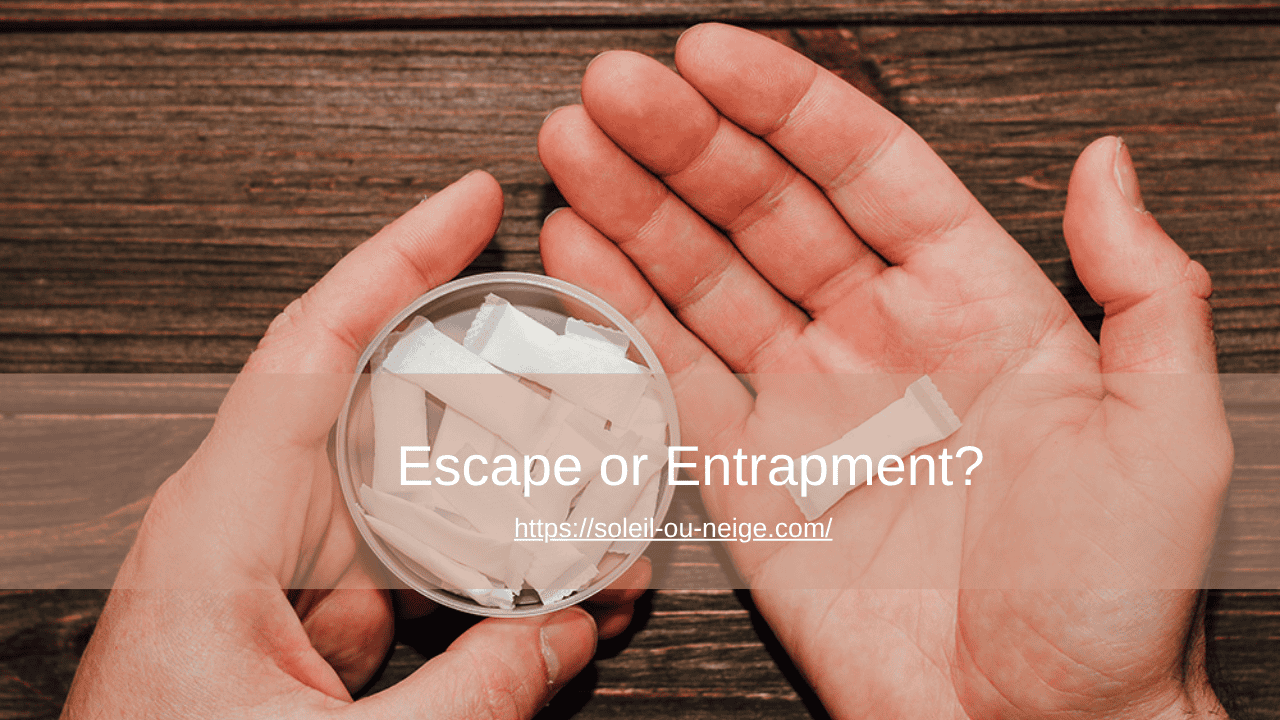 Vacations are often seen as the ultimate escape—a chance to leave stress behind, reset, and recharge. For many, that escape is healthy and well-deserved. But for others, the desire to “let go” can become a doorway to risky behavior. When the normal rules and routines disappear, so can self-control. What begins as a break from work can quietly spiral into substance misuse, turning the dream of freedom into a trap. Understanding how this happens is essential for protecting mental health and sustaining recovery, even in moments of rest.
 Vacations are often seen as a reward for hard work, a time to unwind, and a chance to escape from daily stress. But for many, that sense of escape can blur the line between healthy relaxation and risky indulgence. When routines fade and rules loosen, boundaries can quietly crumble. The freedom that comes with travel may seem harmless, but it can open the door to behaviors that threaten one’s physical, emotional, and spiritual well-being. Understanding why vacations can trigger overindulgence is key to protecting your recovery and maintaining balance.
 Vacations are meant to restore peace of mind and rejuvenate the body. For many, a break from the daily grind promises calm, joy, and relaxation. But for others, that same sense of freedom can become a gateway to risky behavior. What starts as a single drink to unwind can quietly slip into a pattern of overindulgence and dependency. The transition from calm to chaos often happens faster than expected, especially in environments that glorify excess. Understanding this dynamic is crucial for maintaining both mental and emotional well-being while away from home.